
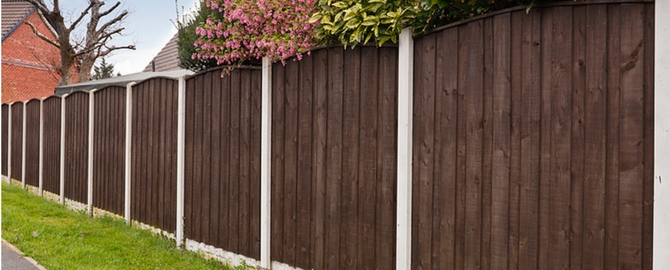
Seclusion on Your Own Terms: Privacy Fence Installation in Services
Privacy runs planned around sight lines, wind and the way the household lives
Dial 281-909-4907 and describe the view you want gone
The Four Things a Screen Can Block
A tall fence softens noise, dims headlights and breaks up the glare of a streetlight; a full enclosure is the right answer for some yards and too much for others. A homeowner looking into Privacy Fence Installation around Services usually has one window, one corner or one sidewalk in mind. Solid fences also keep a household's habits to itself; owners often spend more time outside once the yard is closed in.
Choosing a Pattern for the Boards
Stockade panels use rounded or pointed tops and a tight face for a rustic look; a shadowbox face lets air pass while still blocking the straight-on view. Picking a board pattern for Privacy Fence Installation in Services is as much about air flow as about looks. Top caps and trim give the run a finished edge; cedar, pine and treated lumber each have a different grain, color and resistance to weather.
Height, Sight Lines and the Second Story
Lattice or trim along the top adds height only where the rules allow; allowed limits differ from one area to the next. The right height for Privacy Fence Installation in Services depends on the grade of the yard and the windows that look into it.
Why Solid Fences Need Stronger Posts
Steel posts can replace wood in the most exposed runs; a tall run needs a solid base to stay upright. Sizing the posts correctly is the single most important decision for Privacy Fence Installation across Services. Metal fasteners hold better when they are galvanized or coated; sealing the end grain keeps boards from soaking up rain.
Rails, Spacing and Fasteners
Rails tie the posts together and carry the boards; a middle rail stiffens a panel against sagging. Straight lines on a finished fence for Privacy Fence Installation around Services come from careful layout and plumb posts.
Where the Gate Goes and How It Swings
A side gate gives the owner access without carrying tools through the house; two leaves share the weight and swing more easily than one wide leaf. Gates for Privacy Fence Installation in Services are best planned at the start, since a closed fence leaves few options for adding one later.
Planning Screens for Outdoor Living
A fence around a pool must meet local safety rules on height and gates; a self-closing latch is the usual rule for any gate that guards water. Anyone planning Privacy Fence Installation around Services for a pool should ask about the extra rules that apply to the gate and the latch.
Neighbors, Shared Lines and Good Fences
Sharing the project sometimes means sharing the work; posts and rails usually face the owner's own yard. Good relations along the boundary are one of the quiet benefits of planning Privacy Fence Installation around Services with care.
Setting Expectations for Noise Reduction
A streetlight that shines into a bedroom window can be blocked by a well-placed panel; a taller section at the problem spot is often enough. A realistic talk about noise makes Privacy Fence Installation in Services a better plan from the start.
Plants and Privacy Working Together
Leaving a few inches between plants and boards helps the fence dry; evergreens keep their cover through winter when other plants thin out. Thinking about plants early helps a Privacy Fence Installation crew in Services leave space for roots, vines and watering.
Choosing a Material for a Solid Screen
Wood remains the most familiar choice for solid fencing; a sealed cedar or treated pine fence stays popular for its natural look and ease of repair. Wood is not the only way to do Privacy Fence Installation in Services, and each alternative has its own habits in humid weather.
Screening the Odd Corners
A front courtyard can use a short privacy panel to set it apart from the street; a locking gate adds security as well as a screen. A short privacy run is a modest start for Privacy Fence Installation in Services that can grow into a full enclosure later.
Rules, Permits and Neighborhood Standards
Some areas require a permit once a fence passes a certain height; a sight line at a corner has to stay clear for drivers. A crew handling a Privacy Fence Installation job around Services can walk through the common requirements and point to the right office.
Finishing a Wood Privacy Fence
A semi-transparent stain adds color and lets the grain show; paint needs to be touched up where the surface chips. A good finish on a Privacy Fence Installation project in Services extends the life of every board.
Storm Damage and Rot in Solid Fences
Loose boards are the easiest repair on a privacy fence; fresh boards, sealed on all sides, close a gap neatly. The cause of a leaning fence in Services is nearly always the footing, which makes Privacy Fence Installation a post question first.
Maintenance That Pays Off
A seasonal look at screws, rails and hardware catches small problems; sealed boards shed water and hold their color longer. A walk along a privacy fence in Services after a big storm is the quickest way to catch trouble early.
How a Privacy Fence Goes Up
Post holes are dug and the posts set in concrete; hardware is adjusted and the site cleaned up at the end of the job. The schedule for Privacy Fence Installation in Services depends on the length of the run, the number of gates and the condition of the ground.
The Easy First Step
Measurements help but are not required for a first conversation; a window, a street or a neighboring patio is a good starting point. A first call about Privacy Fence Installation in Services can be as simple as describing the yard and the sight line.